



Industry Odisha Bureau, Sep 05: India calls climate change a common global challenge facing all nations. New Delhi stresses developed countries bear greater historical responsibility. This came after Nepal’s remarks on compensation from major emitters. External Affairs Ministry spokesperson Randhir Jaiswal outlined India’s position Friday.
Jaiswal said climate action must follow differentiated responsibilities and capabilities. Developed nations, historically the largest emitters, must lead reductions. They should also support developing countries through finance and technology. This principle has remained consistent in India’s climate diplomacy stance.
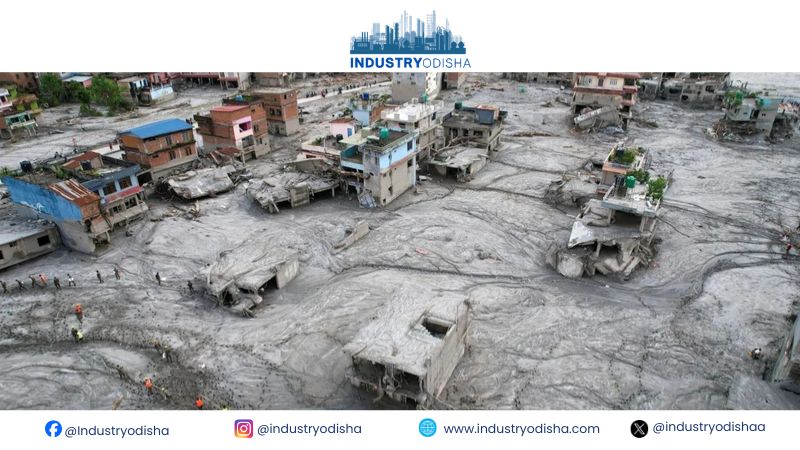
Nepal Foreign Minister Shisir Khanal earlier named three major emitters specifically. He said the US, China and India should bear responsibility. Khanal sought compensation from these nations after last month’s flash flood. The disaster struck Nepal on August 26, causing significant damage.
Khanal later clarified his position ahead of UN discussions. On September 2, he framed Nepal’s approach around justice, not aid. He called it compensation owed by major industrial emitters historically. China ranks as the world’s top emitter, followed by America and India.
He subsequently denied directly asking these three nations for compensation. Khanal instead expressed deep gratitude for India’s continued assistance. This distinction separates emotional diplomatic language from formal compensation claims. Nepal’s messaging has evolved as the UN General Assembly approaches industry
India has sent multiple relief consignments to Nepal since August. This included a large team of tunnel rescue specialists. Jaiswal called India a longstanding friend and reliable regional partner. He said India will continue helping Nepal through this crisis.
Nepal Prime Minister Balendra Shah publicly thanked India in Parliament. He acknowledged the assistance extended specifically to Kathmandu’s recovery efforts. This relief support remains distinct from any climate compensation discussion. Humanitarian aid and climate finance represent separate diplomatic categories entirely.
India’s position links climate finance with technology transfer for developing nations. Both mechanisms are presented as developed-country obligations under differentiated responsibility. Nepal’s UN General Assembly session begins in New York later this month. Khanal’s diplomatic approach will likely feature prominently there.
The exchange highlights tension between historical emissions and current vulnerability concerns. India maintains large emitters share responsibility without rejecting collective climate action. Nepal continues balancing gratitude for assistance with calls for accountability. Both nations appear committed to continued bilateral cooperation despite differing climate-responsibility emphases.
