



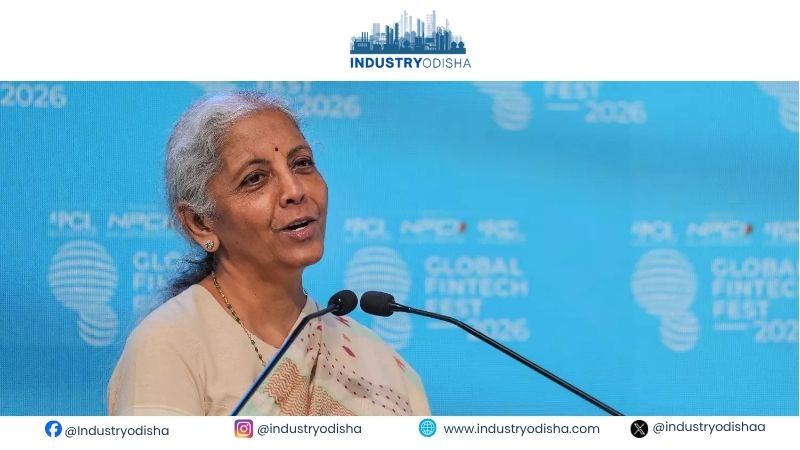
Industry Odisha Bureau, Sep 23: Finance Minister Nirmala Sitharaman has urged BRICS economies to shape emerging global tax rules. She warned that current negotiations could define cross-border taxation for a generation, speaking at the BRICS Tax Heads Meeting in New Delhi.
BRICS Seeks Greater Voice in Global Tax Rules
International taxation is entering a decisive phase. Sitharaman told delegates that BRICS economies must ensure their perspectives shape the emerging global tax framework. She described member states as major source jurisdictions and large developing economies. These economies, she said, have built substantial domestic tax capacity from modest starting points. That experience, she argued, gives BRICS a distinctive negotiating perspective.
Cross-Border Taxation Enters Critical Negotiation Phase
Several multilateral processes are simultaneously reconsidering international tax rules. Sitharaman pointed specifically to the UN Framework Convention on International Tax Cooperation. She said outcomes from these processes would influence cross-border taxation for years ahead. BRICS participation, she argued, was essential to the fairness and durability of any resulting framework.
BRICS Builds Permanent Tax Cooperation
Beyond policy positions, BRICS tax administrations are institutionalising cooperation. New working groups aim to outlast individual chairships, including India’s current term. Sitharaman framed this as sustained institutional space rather than a one-year initiative.
Transfer Pricing and Revenue Statistics Take Focus
New working groups will cover international taxation and transfer pricing. Revenue statistics form another cooperation area. Revenue Secretary Arvind Shrivastava said the transfer pricing group would offer a permanent platform. Members could share experience on treaty interpretation and transfer pricing audits. He added that BRICS needed a stronger collective voice in multilateral negotiations, calling the bloc’s current voice insufficient.
Technology Becomes Key BRICS Tax Theme
India also showcased its digital tax administration experience. Sitharaman cited faceless assessment and pre-filled returns as examples. She mentioned real-time invoice authentication and AI-enabled taxpayer assistance too. These tools, she suggested, reduce reliance on individual discretion in tax administration.
New Tools Target Practical Tax Cooperation
BRICS is also building practical cooperation instruments. These include a tax collaboration tool, a tax knowledge hub and a cross-learning lab. Sitharaman described them as working instruments, not just policy proposals.
Developing Economies Seek Stronger Representation
The meeting signals a broader push by developing economies. BRICS members want their perspectives embedded in global tax governance, not merely consulted afterward. Institutional cooperation, technology-sharing and permanent working groups form the practical backbone of that ambition. Whether these efforts translate into meaningful influence over final multilateral outcomes remains to be seen. For now, BRICS economies are positioning themselves early, betting that sustained cooperation strengthens their hand as cross-border taxation rules take shape for the next generation.
