



Industry Odisha Bureau, Oct 05: Central Railway earned ₹323.50 crore from scrap sales between April and September 2026. The Zero Scrap Mission is turning obsolete tracks, rolling stock and equipment into auction revenue. No other zone earned more.
A railway network wears out in tonnes. Rails, sleepers, engines and coaches eventually reach the end of their useful lives. Much of that material then sits in yards, workshops and depots.
Central Railway is converting that dormant inventory into cash. The Mumbai-based zone earned ₹323.50 crore from scrap sales between April and September 2026. The Times of India, citing Central Railway officials, reported the figures. No Indian Railways zone earned more from scrap during the period.
Six months, one record mont
The period covers the first half of the 2026-27 financial year. September stood out. Central Railway recorded ₹70.42 crore in scrap sales that month. It was the zone’s highest-ever monthly scrap sale. The sum is sales revenue from retired material, not operating profit.
How Zero Scrap works
The earnings flow from Indian Railways’ Zero Scrap Mission. Under it, unused, condemned and obsolete material is first identified. It is then segregated, put up for auction and disposed of.
The programme serves two linked purposes. It clears redundant material from railway facilities. And the auctions turn that material into revenue, returning it to economic use.
Track carries the heaviest load
The physical scale of the clearance is considerable. Central Railway cleared nearly 29,993 tonnes of rail permanent-way scrap. That is material from the track itself. It also removed 1.72 lakh worn-out sleepers.
The haul included around 15,547 tonnes of ferrous scrap. Another 1,999 tonnes of non-ferrous scrap was also disposed of. Permanent-way scrap is the largest category in the reported figures.
Trains reach the end of the line
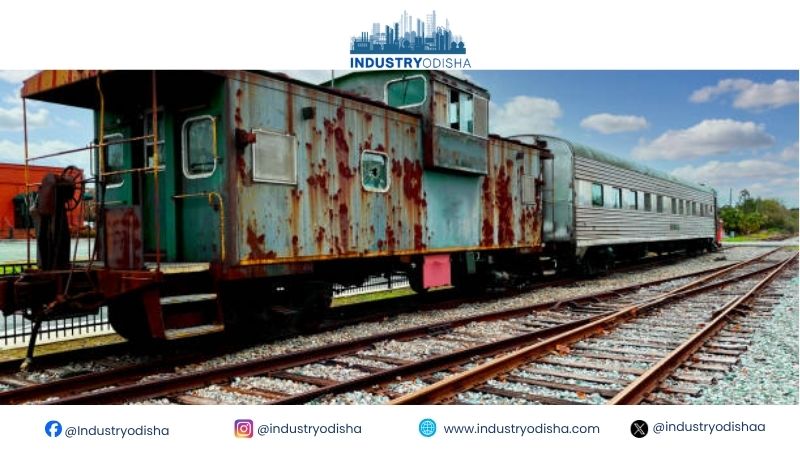
Rolling stock also went under the hammer. Central Railway disposed of 23 obsolete locomotives, 62 coaches and 70 wagons. These were obsolete assets rather than working trains.
E-waste joins the pipeline
The disposals extended beyond steel. The zone cleared 46.85 tonnes of electronic waste. E-waste sales generated ₹1.11 crore in the financial year up to September. Though modest in value, it shows the range of material railways retire.
A 15-day clearance push
The drive gathered pace during the Swachhata Hi Seva 2026 campaign. It ran from September 17 to October 2. In those 15 days, Central Railway identified and disposed of 4,884 tonnes of scrap. That material was worth ₹44.24 crore. The exercise covered divisions, yards, workshops and depots.
Asset disposal as financial discipline
Every large network eventually holds assets it can no longer use. Central Railway’s figures show how much value that material can still carry. Systematic identification and auctioning turn dormant inventory into recoverable revenue. The ₹323.50 crore is therefore more than a sale of discarded metal. It reflects a structured effort to monetise assets once their working lives end.
