



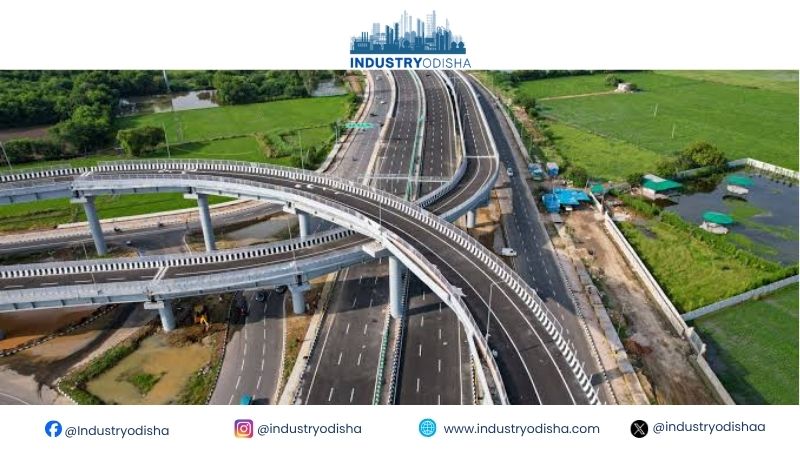
Induystry Odisha Bureau, Oct 15: The road ministry wants states to waive stamp duty on highway projects. Several states seek value-linked levies instead. The dispute could unsettle concession finances and delay financial closure.
The road transport ministry has asked states to waive stamp duty on highway projects. Several states are resisting. They want levies linked to contract value and project type.
At stake is a basic question of fiscal federalism. Highways are a central programme, yet states levy stamp duty on contracts within their borders.
The ministry argues that state levies create compliance burdens and contractual ambiguity. It says regulatory predictability is essential to investor confidence. State-wise stamp duty liabilities, it said, contradict a uniform national highway policy. They could also trigger disputes, renegotiations and delays in financial closure.
Financial closure is the point when lenders fully commit funds to a project. Delays there can stall construction and monetisation plans alike.
The Centre also questions the logic of the levy. Highway contract revenues flow entirely to the Union government, it argues. Taxing them at state level, in its view, merely circulates money between governments.
Uttar Pradesh, Madhya Pradesh, Karnataka and Odisha see things differently. They cite revenue losses from contracts signed within their territory. Madhya Pradesh, Karnataka and Odisha are seeking payment from concessionaires. Some states allege stamp duty evasion on highway projects, a claim the Centre contests.
Stamp duty rates across states typically range from 0.25% to 3%. Uttar Pradesh, however, is seeking up to 12% on toll-operate-transfer projects. It argues these concessions are effectively leases and should attract the levy. The 12% figure remains a demand, not an applied rate.
Under the TOT model, a private operator pays upfront for rights to an existing highway. It then collects tolls for a fixed concession period. The government uses such deals to monetise completed roads. The Centre warns that treating them as leases could create serious financial challenges.
Current practice adds another layer. The National Highways Authority of India signs concession agreements on ₹100 stamp paper. A value-linked duty would sharply raise transaction costs on large contracts. Stamp paper value, though, need not equal the final legal duty owed.
For investors, the bigger worry is unpredictability. Highway concessions often run for long periods and rely on heavy borrowing. Bidders price every cost into their financial models before submitting offers. An uncertain tax bill can lower bids or widen required returns.
The problem grows on corridors spanning several states. Each state could apply a different rate to the same project. That would complicate financial modelling for long-gestation public-private partnerships. Lenders may then seek extra safeguards before committing funds.
The dispute also touches the Centre’s monetisation plans. Monetisation lets the Centre raise capital from completed highway assets. Infrastructure funds, pension funds and concessionaires typically favour stable, predictable tax regimes. Any added uncertainty could weigh on their appetite for highway assets.
Neither side’s legal position has been conclusively tested. The Centre wants uniform, low-cost contracts for a national network. States want a share of revenue from assets within their borders. Reconciling those aims will shape the pace of highway investment.
