


Industry Odisha Bureau, Aug 13: In a bid to capture growth as well as tap the rising demand, the Fast-Moving Consumer Goods (FMCG) and the Direct-to-Consumer (D2C) brands are reportedly focusing on the micro-economic markets in India.
Media reports, citing views and analyses of market experts, have stated that, “Major FMCG and D2C brands are increasingly focusing on India’s micro‑economic and non‑metro markets, such as the tier‑II and tier-III cities, rural areas, and niche consumer segments, where competition is less saturated and demand is rising.”
Media reports, citing views and analyses of market experts, have further stated that, “India’s FMCG sector, valued at Rs 20.8 trillion in 2024 and projected to hit Rs 53.4 trillion by 2030, as it is growing at a 17% Compound Annual Growth Rate (CAGR). While urban markets dominate sales, rural and semi‑urban segments are outperforming in growth, and accordingly, the rural FMCG sales rose 9.9% in Q4 of FY24‑25 versus 2.6% in the urban areas.”
Similarly, the D2C brands are also reportedly “carving out niches in India’s micro-economic markets by dealing in affordable and premium-positioned beauty and personal care products, while millet snacks, sugar-free chocolates and plant-based proteins are gaining traction in smaller markets along with apparel and footwear targeting the youth mass in non-metro cities.”
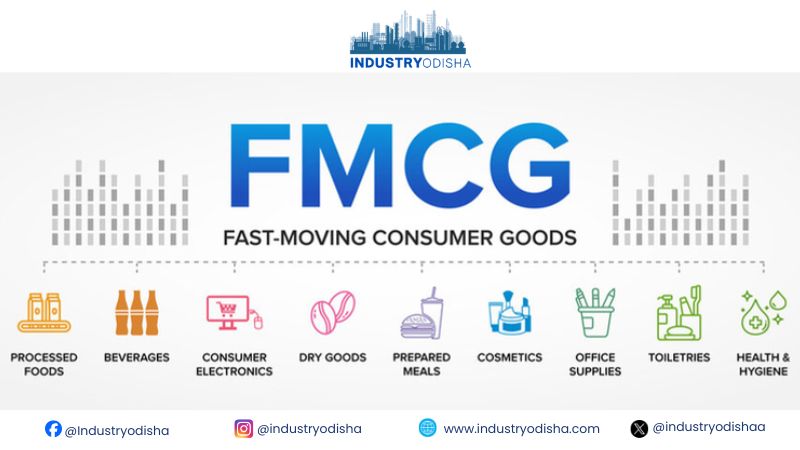
Notably, “Fast-Moving Consumer Goods (FMCG) refers to products that are sold quickly and at relatively low cost, typically used on a daily basis by consumers. These goods are characterized by high turnover, short shelf life, and frequent consumer demand, making them essential in retail and commerce. FMCG products are usually non-durable, meaning they are consumed quickly and need regular replenishment. FMCG products include packaged foods, snacks, bread, bottled water, coffee, ready-to-eat meals, soap, shampoo, toothpaste, cosmetics, deodorants, lotions, cleaning products, detergents, and over-the-counter medicines, et al. These products are purchased frequently due to daily usage, generally affordable, encourage repeated purchases, and are also available in supermarkets, convenience stores as well as via online platforms.”
Similarly, “Direct-to-Consumer (D2C) is a business model where brands are sold directly to the consumers without intermediaries, that means bypassing the wholesalers, the distributors and the retailers. It is unlike the Business-to-Consumer (B2C) model where a manufacturer sells to the retailer, and the retailer sells it to the consumer. On the contrary, D2C sales often occur through brand-owned websites, apps or physical stores giving companies direct access to the customer’s data and feedback allowing for closer relationships and better brand messaging.”
