



Industry Odisha Bureau, Oct 26: Indian Railways may ease weighment rules and introduce shorter trains to attract export cargo. Private wagon maintenance and wider hub-and-spoke tariff benefits are also under consideration.
Indian Railways is weighing a broad overhaul of how it moves containers. The aim is to win a larger share of export traffic. Proposals include fewer weighment checks, shorter trains and revised tariffs. Private maintenance of flatbed container wagons is also being examined. Most measures remain under discussion, according to officials cited by The Economic Times.
The first change targets duplicated compliance. Export containers are usually weighed at inland depots and again at ports. Railway weighment adds a further check between the two. Under the plan, specified export commodities would be exempt from mandatory 100% weighment. Random checks would still cover 5% of rakes, a senior official said. Operators would instead submit a copy of the container’s Verified Gross Mass. That declaration follows guidelines issued by the Directorate General of Shipping. The exemption would apply only to certain commodities, not all cargo.
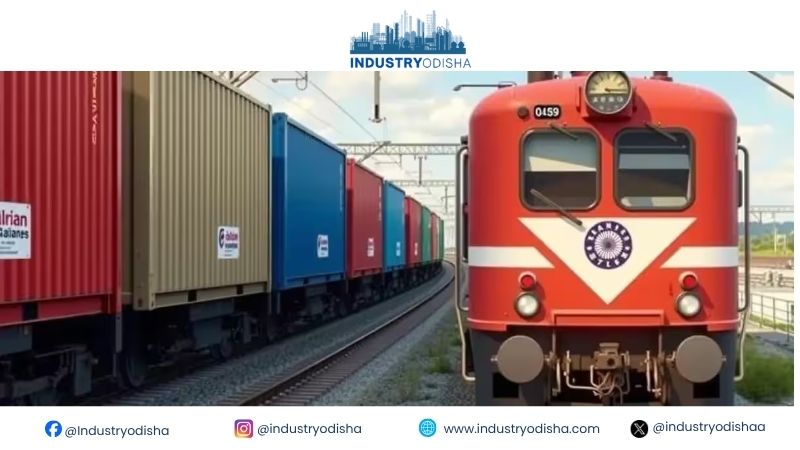
The Railways also plans “mini” container rakes of at least 25 wagons. Standard container trains currently run with 45 wagons. Around 750 such rakes operate on the network. Officials say shorter trains are meant to encourage higher-value cargo in containers. Smaller formations could suit consignments too small to fill a full rake. Their economics, however, will depend on pricing and utilisation.
Wagon maintenance is another pressure point. Industry estimates suggest about 20% of wagons sit in maintenance depots at any time. The Railways charges roughly 5% of freight tariff value for maintaining container wagons. Manufacturers and container train operators have sought permission to handle this work privately. In return, operators want a discount on freight charges. They argue private upkeep would speed up wagon turnaround. A second official said financial terms are still being deliberated. The proposal is under active consideration, not approved.
Freight pricing forms the third strand. The Railways plans more routes with hub-and-spoke terminals. These hubs let operators gather containers from several origins before longer journeys. Today, re-booking cargo at a hub can attract higher short-distance rates. Telescopic tariffs, where per-kilometre rates fall with distance, would avoid that penalty. Consolidated cargo would retain long-distance charging benefits across the full trip.
Container traffic is already a growing revenue stream. Budget documents put FY25 container earnings at ₹8,789.6 crore. FY26 earnings are shown at ₹10,030 crore. For FY27, the budget estimate is ₹11,170.1 crore. These figures cover container traffic, not total freight revenue.
Together, the measures target friction between factories, depots and ports. Lower compliance and flexible train sizes could make rail more attractive to exporters. Much will depend on how maintenance standards and freight discounts are agreed.
