



Industry Odisha Bureau, Oct 30: Digital-first labels lift their kirana market share to 21.7%. Keeping that shelf space is the real test.
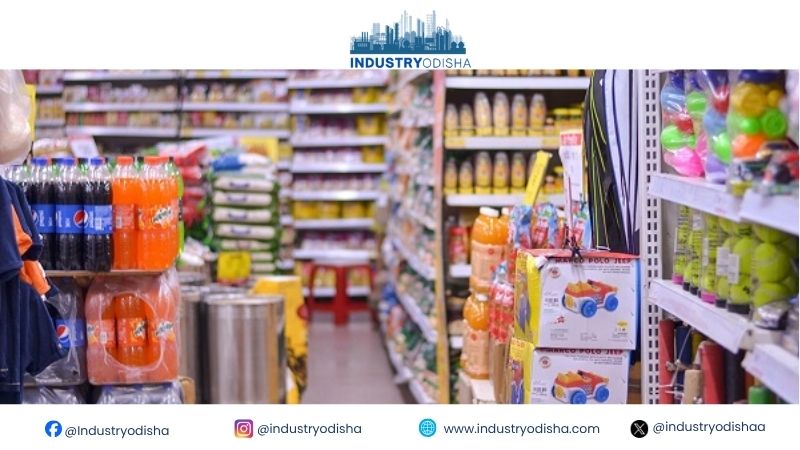
India’s GenZ brands are expanding into the neighbourhood kirana store at a rapid pace. Their kirana market share rose to 21.7% in H1 FY27, from 14.8% a year ago. The data comes from Bizom, which tracks 10 million outlets, as The Economic Times reported. Established FMCG giants slipped from 85.2% to 78.3%, a 6.9 percentage-point swing.
For decades, reach was the real strength of firms like Hindustan Unilever, ITC and Marico. Their trucks, distributors and salesmen kept millions of small shops stocked. Startups rarely matched that muscle beyond online channels. Now online fame is starting to shape what kirana owners put on their shelves.
D2C brands widened their kirana footprint by 200 basis points in the September quarter. Legacy players, meanwhile, lost 1.9% of their urban kirana outlets. Yet their rural outlet count grew 2.3%, showing the contest varies by geography. Bizom also excludes digital brands owned by FMCG giants, which may understate the shift.
Hindustan Unilever (HUL) shows how wide the old moat runs. It has over 3,500 distributors in more than 2,000 towns. It reaches nine million outlets, three million of them directly. Two years ago, it began reworking supply to restock kiranas within 24 hours. Few young brands can match that scale.
Social media, influencers and quick commerce build demand before a brand hits stores. When shoppers ask for a product by name, shopkeepers find it hard to refuse. Plum Goodness CEO Shankar Prasad told ET buyers want science-led, clinically positioned products. Many newcomers compete on premium formulations, not price, making them more attractive to stock.
Over five years, HUL, ITC, Marico and Emami bought into at least 12 digital-first brands. Key deals include HUL’s Minimalist, Marico’s Plix and ITC’s Yoga Bar. Crisil Ratings found about two-thirds of FMCG acquisitions in five years involved D2C firms. Big firms gain premium shoppers and fresh ideas; startups gain national reach. Wellbeing Nutrition founder Avnish Chhabria said HUL’s investment lifted warehouse access to 150-200. Earlier, the brand had just four or five.
Getting onto a shelf is not the same as staying there. Worldpanel by Numerator found only 56% of low-penetration brands grew consumer reach in 2025. Among highly penetrated brands, the figure was 83%. Repeat buying is far harder to win than a first trial. Young brands must also fund inventory, distributors, sales teams and quick-commerce restocking. If stock does not move, a kirana owner will soon free up that space. Zydus Wellness CEO Tarun Arora said sustaining distribution is harder than winning it.
The incumbents also have deep pockets and old ties with shopkeepers. They can invest more in supply, digital ordering and retailer engagement. Bizom’s data signals pressure, not collapse. Kirana shelves are clearly opening up to GenZ brands. Holding them nationwide will still depend on loyal buyers and sound distribution economics.
