



Industry Odisha Bureau, Oct 27: Deposit return schemes give used plastic packaging a cash value. Success will depend on infrastructure.
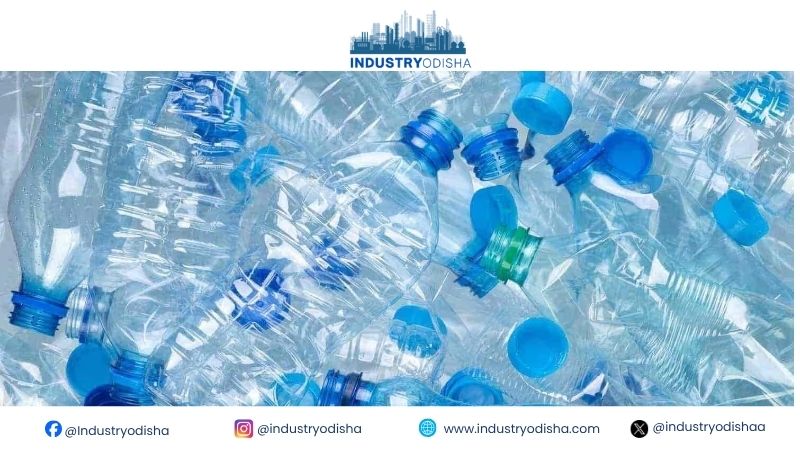
Indian states are putting a price on empty bottles. Goa, Uttarakhand and Himachal Pradesh are building deposit return schemes for packaging waste. Each aims to improve the collection and recycling of bottles and other containers. The logic is simple. A refundable deposit gives used packaging a cash value. Consumers then have a reason to return it rather than discard it.
According to Mint, the model starts with producers registering products on a digital platform. Each package carries a unique QR code for tracking through the supply chain. Buyers pay the maximum retail price plus a deposit, indicatively ₹2–10. They get the money back after returning the empty container at authorised points or machines. The code is verified before the refund is paid. The deposit is not a price rise if the consumer returns the package.
Citing UNDP, Mint reports India generates 15 million tonnes of plastic waste a year. Only about a quarter of it is recycled. Much of the rest ends up as litter or in open dumps. Packaging accounts for about 59% of plastic consumed in India. That is consumption, not waste, but it shows where the pressure lies.
Goa has chosen a narrow start: liquor and liquor-based products from April 2027. Producers, importers and brand owners in this segment must register. The proposed deposit for beer and ready-to-drink beverages is ₹10 above 500 ml. Smaller containers would carry ₹5. For other liquor, the threshold is 180 ml, with the same two rates. Glass, PET bottles, metal cans and Tetra Pak would all be covered. Other recyclable materials could follow later. A single product category may simplify registration, though its effectiveness is untested.
Uttarakhand’s digital scheme began as a pilot at Kedarnath during the 2022 Char Dham Yatra. It later expanded to Gangotri and Yamunotri. Collection rates on these routes rose from about 30% in FY23. They crossed 90% in FY26, Mint reports. This season, Gangotri saw about 273,000 PET bottles returned, and Yamunotri over 149,000. Higher collection, however, does not automatically mean equivalent recycling. The statewide plan would cover water bottles, cold-drink bottles and chip packets. Glass bottles and metal cans are currently excluded.
Himachal Pradesh is taking an infrastructure-first route. It targets a phased rollout from April 2027. That depends on material recovery facilities, automated collection points and mandatory QR labelling. Coverage would be broad, including glass, plastic, aluminium cans, Tetra Paks and multilayered packaging. Collecting such varied waste across mountain terrain will test logistics.
Pradeep Sangwan of the Healing Himalayas Foundation says rewarding returns turns discarded packaging into a resource. Yet deposits alone cannot fix waste management. Return points must be convenient, and refunds must be reliable. Producers, retailers, recyclers and informal waste pickers need clear roles. The real test is whether returned bottles actually reach recyclers.
