



Industry Odisha Bureau, Oct 25: Industry leaders at BIRC 2026 urged rice exporters to curb contamination on the farm itself. Earlier testing, reliable labs and farm-to-port tracking could cut costly shipment rejections.
India’s rice exporters face growing pressure to prove their grain is safe. That message dominated a quality panel at the Bharat International Rice Conference 2026. Laboratory heads, inspectors and exporters spoke with one voice. Contamination must be stopped at source, not merely detected at the port. For one of the world’s leading rice suppliers, rejections carry real costs. They squeeze margins and can dent buyer confidence abroad.
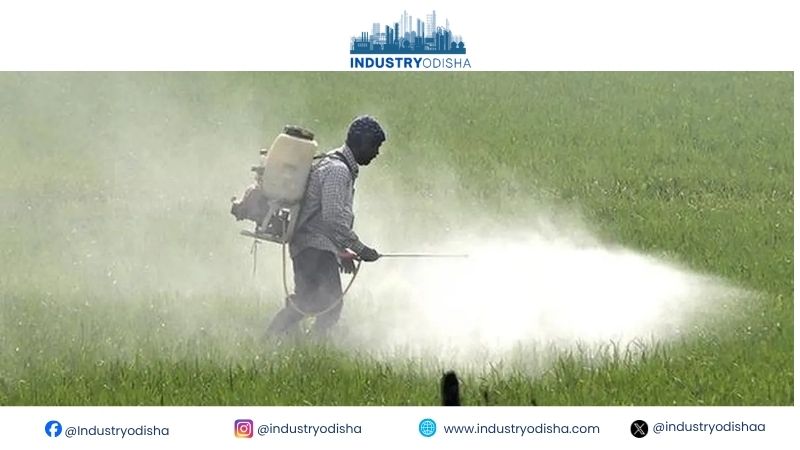
Pesticide residues sit at the centre of the problem. These are traces of crop chemicals that remain after harvest. Importing countries set maximum residue limits, and these often differ by market. Mirza Alam of AHK Group presented an analysis of European rice rejections. Covering 2024–25 and 2025–26, it found pesticide residues behind 69% of them. Aflatoxins and other mycotoxins accounted for 23%. The report did not disclose how many shipments were examined. These shares describe rejected consignments, not India’s total rice exports.
Mycotoxins pose a separate risk. These fungal toxins can develop during cultivation, drying or storage, especially with poor moisture control. Pesticide discipline alone cannot address them; proper drying and storage matter too.
Speakers argued that prevention must begin on farm land. Poorvi Shah of SGS India urged a shift from reacting to anticipating failures. That means approved chemicals, correct doses and respect for pre-harvest intervals. Dr Pankaj Jaiminy of Eurofins said rejections will not fall without practical help for farmers. He suggested mobile laboratories near mandis to screen paddy before procurement. Such screening can flag risky lots early, though confirmatory accredited tests remain essential.
Traceability formed the second pillar of the discussion. Anand Sharma of EAS called for a farm-to-port system to pinpoint contamination sources. He cautioned that a residue finding does not itself prove pesticide misuse. Causes must be established through documented investigation. Exporters, he said, should link spray records, crop histories, supplier details and lab results. That trail enables accountability and targeted correction.
Checks must run through every stage, said Avinash Maheshwari of GEO-CHEM LAB. He listed procurement, milling, sampling and shipment. He also urged exporters to read buyer specifications alongside regulations. Buyers can impose standards stricter than those set by importing governments. Isha Garg of VI Exports highlighted the cost of repeated testing and certification. Conflicting laboratory results can delay shipments and erode already thin margins, she said. Delays also tie up working capital in stored stock.
Sandeep Patankar of SGS India pointed to QR-code-enabled traceability. Codes can link a consignment to its records and help locate quality failures. Yet a code only displays data; it cannot confirm that data is accurate. Reliable record-keeping at each stage therefore remains vital.
No single fix will end rejections. Farmers, millers, laboratories and exporters must work together. Preventive controls, consistent testing and credible records reinforce one another. Together, they offer India’s rice exports the surest route to lasting market credibility.
