



Industry Odisha Bureau, Oct 15: The cabinet secretariat has asked the health ministry to act on coronary stent concerns. A Rajya Sabha MP flagged three India-made models reportedly withdrawn in Sri Lanka. He wants tighter device oversight and patient monitoring.
The Union health ministry has been asked to act on concerns over coronary stent safety. The cabinet secretariat issued the direction on 5 October. It followed a representation from Rajya Sabha member Ajeet Madhavrao Gopchade.
Gopchade, a medical doctor, wrote to the secretariat on 29 September. He flagged three models of India-made drug-eluting coronary stents. These were reportedly withdrawn in Sri Lanka after quality concerns emerged.
Citing media reports, the MP said Sri Lanka’s medical device regulator ordered the withdrawal. The problems were reportedly identified by a medical device evaluation committee. Four concerns were cited.
Improper positioning means a stent is not placed correctly in the artery. Dislodgement occurs when it moves from its intended site. Acute stent thrombosis refers to a clot forming inside the stent soon after placement. Incomplete expansion can leave the vessel inadequately opened.
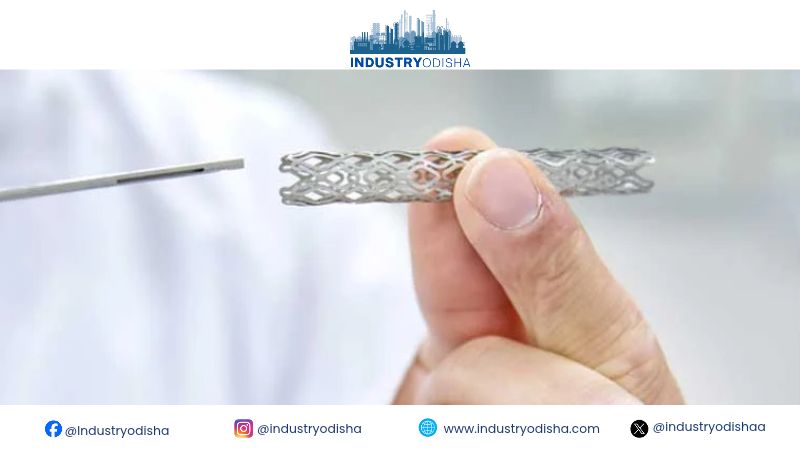
Drug-eluting stents are small mesh tubes used to keep narrowed coronary arteries open. They release medication that helps prevent the vessel from narrowing again. They are commonly used during angioplasty. The reported concerns relate to three specific models, not Indian stents generally.
In his letter, Gopchade said the reports raised patient-safety issues India must examine carefully. He asked whether the existing regulatory framework for coronary stents needed strengthening. He stressed sound clinical decisions, rigorous device testing and monitoring of complications after implantation.
The secretariat’s direction does not itself establish any defect or regulatory breach. No Indian regulatory findings or domestic recall have been reported so far. Medical devices in India are regulated under the Medical Devices Rules, 2017. The Central Drugs Standard Control Organisation oversees approvals and quality requirements.
Gopchade’s proposals go beyond the three models. He sought better clinical documentation to ensure stents are used only when medically indicated. Doctors should also consider alternative treatments where appropriate, he said. Such records can help regulators assess whether implants were clinically justified.
He also proposed batch and serial-number traceability for every implanted stent. Traceability links a specific device to its manufacturer, hospital and patient. If a batch proves faulty, hospitals could identify affected patients quickly. That allows targeted recalls rather than broad uncertainty.
The MP further called for stronger post-market surveillance and adverse-event reporting. Pre-market testing cannot capture every problem that emerges in wider clinical use. Not every complication, however, signals a manufacturing defect. Systematic reporting helps separate device faults from other clinical factors.
He also sought a mechanism to review foreign safety alerts, recalls and withdrawals promptly. This would apply when the same or similar devices are used in India. A foreign recall need not trigger an identical Indian decision. It would, however, prompt a domestic risk assessment.
The representation also stressed patient follow-up and long-term safety data. Such data could flag device-related problems at an early stage. For Indian manufacturers, the episode underlines the value of demonstrable quality assurance. How the health ministry responds remains to be seen.
