



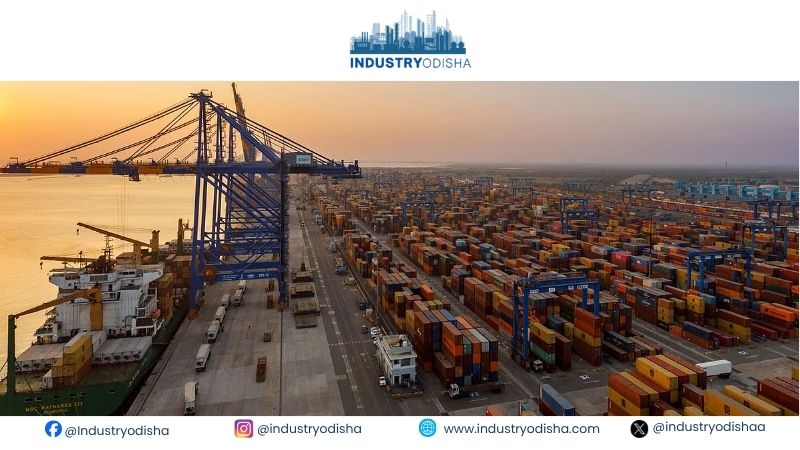
Industry Odisha Bureau, Sep 23: India has extended environmental clearance validity for ports and harbours to 20 years. The reform supports long-term port development and investment nationwide.
India has extended green clearance validity for major maritime projects. Environmental clearance for ports now lasts 20 years, up from 10. The change targets long-term port development and infrastructure investment. It arrives as India pursues ambitious port-capacity expansion plans.
India Extends Port Environmental Clearance
The government has doubled environmental clearance validity for several categories. Ports, harbours, breakwaters and dredging projects all qualify now. Previously, these projects received just 10 years of green clearance. The new 20-year validity applies to future projects too. Eligible ongoing projects with active clearances also benefit from this change.
Extensions Remain Subject to Safeguards
Further extensions beyond 20 years remain possible under specific conditions. Two additional five-year extensions may become available to developers. These extensions are not automatic, however, and require formal review. Expert appraisal committees must examine existing environmental safeguards first. Additional measures may be added to environmental management plans if needed. State-level expert committees can also assess extension requests separately.
Port Capacity Target Raises Investment Stakes
India aims to reach port capacity of 10,000 MMTPA by 2047. Current capacity stands considerably lower, at 2,762 MMTPA today. This scale of planned expansion demands sustained long-term investment commitments. Longer environmental clearance validity supports that extended investment planning horizon. The reform directly addresses the scale of India’s port ambitions.
Long Project Timelines Drive Policy Change
Port projects typically involve long gestation periods and phased construction. Stakeholders had sought this change citing frequent development delays. Litigation affects several non-major port projects during their development. Karnataka Maritime Board cited projects like Keni, Karwar, Manki and Kundapur. By the time such issues resolve, clearances often near expiry.
Fresh Clearances Can Add Years
Once environmental clearance expires, developers must reapply from scratch. Securing fresh clearance typically takes at least three years, sources say. The process requires a shoreline study and public hearing. Longer validity periods could reduce this repetitive application burden significantly. Industry figures say this would help expedite overall project timelines.
Port Authorities See Greater Certainty
Mumbai Port Authority chairperson M Angamuthu welcomed the extended validity period. He said it benefits business stakeholders with long-term perspectives. It could also encourage investment from local and global port operators. Karnataka Maritime Board’s HC Balachandra echoed similar sentiments about certainty. He said the change builds developer confidence in the clearance framework. Advisory firm Black Brix founder Sameep Jain called it confidence-building for financiers.
Longer Validity Reshapes Port Planning
This reform reflects a broader shift toward long-term port development thinking. Environmental clearance now better matches actual project development timelines. Safeguards remain intact through expert appraisal and periodic review mechanisms. India’s port and harbour infrastructure ambitions now have firmer regulatory footing. The coming years will show how this reform influences dredging, breakwater and port investment decisions across the country.
