



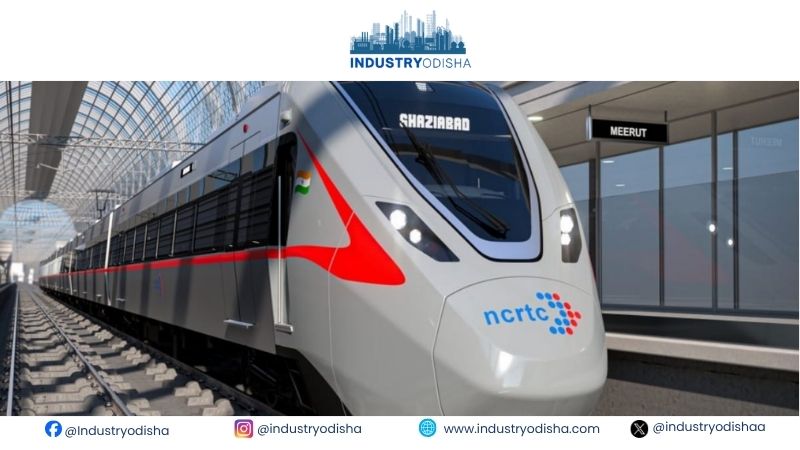
Industry Odisha Bureau, Sep 19: Assam has begun preliminary talks with ADB on a proposed RRTS network. The project could follow the Delhi-Meerut regional transport model. Chief Minister Himanta Biswa Sarma said discussions remain at an early stage. The proposed high speed rail network would connect key growth centres.
Assam Eyes Regional Rapid Transit
Assam is exploring a new RRTS for faster regional connectivity. ADB discussions are focused on preparing an initial project blueprint. No final route or station plan has been announced. Project costs and implementation timelines also remain undecided.
Delhi-Meerut Model Offers Template
The Delhi-Meerut RRTS provides the reference model for Assam. The corridor stretches around 82 kilometres across the National Capital Region. It connects Delhi, Ghaziabad and Meerut through rapid regional rail. ADB financing has supported the Delhi-Meerut RRTS investment programme.
High Speed Rail Could Link Growth Centres
The proposed Assam high speed rail system could connect economic clusters. Faster connectivity may improve access between urban and emerging growth centres. It could also support industrial, residential and commercial development. Regional transport links often influence investment decisions and land development.
ADB Could Shape Funding Structure
ADB has extensive experience financing urban transport projects across India. Its involvement could support feasibility, planning and project structuring. The lender has backed large scale rail and transit investments nationwide. Funding details for Assam remain under discussion.
Guwahati Could Become Core Hub
Early discussions are expected to examine Guwahati’s metropolitan region. Future planning could integrate highways, bridges and satellite townships. An RRTS network could also support airport oriented development. That would create a broader regional mobility ecosystem.
Assam Focuses on Sustainable Transport
The proposed network is being explored as sustainable urban infrastructure. High capacity rail can reduce dependence on road transport. It can also improve travel times across expanding metropolitan regions. Integrated planning will remain critical for long term success.
Network Economics Will Matter
A large RRTS network requires substantial capital expenditure. Ridership assumptions will therefore influence project viability. Fare affordability must balance operating and financing requirements. Land integration could also create additional revenue opportunities.
Delhi-Meerut Experience Offers Lessons
The Delhi-Meerut corridor combines high speed services with regional commuting. It was designed for 180 kmph speeds and frequent operations. That model targets shorter travel times between major urban centres. Assam could adapt those principles to local geography and demand.
Next Steps Focus on Feasibility
The project remains at the preliminary discussion stage. Detailed feasibility studies would normally follow an initial blueprint. Route selection and demand assessments would come later. Funding and implementation structures would also require detailed evaluation.
Assam RRTS Could Reshape Regional Mobility
If developed, the network could transform Assam’s urban transport landscape. It could connect growth centres through faster regional travel. ADB participation may strengthen technical and financial planning. For Assam, the next challenge is converting discussions into a bankable project.
