



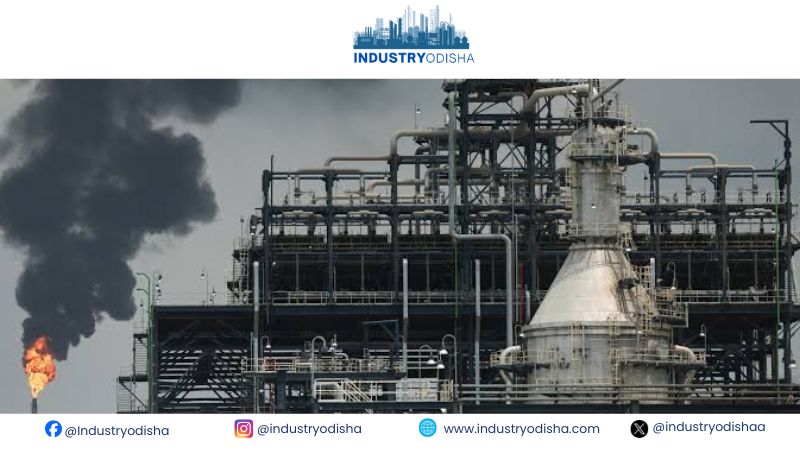
Industry Odisha Bureau, Sept 16: A third global gas crisis could emerge by 2030. The scenario reflects vulnerabilities building across global natural gas markets. Supply disruptions, rising demand, and geopolitics could combine dangerously. The resulting crisis could become the third major shock within eight years. Such an outcome would test domestic supply across several major economies.
US Natural Gas Could Face Severe Pressure
The United States has become central to global natural gas security. Its LNG exports have helped replace disrupted Russian supplies. However, growing exports also expose domestic markets to global demand. US shale production growth could slow before the decade ends. That would reduce flexibility during periods of extreme demand. Cold winters could then drain storage inventories rapidly. Summer heatwaves could also increase gas fired electricity consumption. Domestic supply could therefore come under sustained pressure.
AI Demand Adds New Energy Risk
Artificial intelligence may become another major source of electricity demand. Large data centres require enormous quantities of reliable power. Natural gas plants could help meet that demand. That would increase competition for available domestic supply. Households, manufacturers, and power producers would compete for limited resources. Higher demand could push benchmark natural gas prices sharply upward.
CNG Could Feel the Impact
A broader gas crisis could also affect CNG economics. Transport fuel prices depend heavily on domestic and imported gas availability. Tighter supply could raise costs across urban CNG markets. Public transport operators could face increased fuel expenses. Commercial fleets may also encounter higher operating costs. That could eventually affect logistics and passenger transportation costs.
Manufacturing Could Face Cost Shock
Natural gas remains critical for several industrial sectors. Fertiliser production is particularly sensitive to gas prices. Higher prices could sharply increase agricultural input costs. Farmers could respond by reducing cultivation of gas intensive crops. Food inflation risks could then increase. Glass, chemicals, metals, and manufacturing could also face margin pressure. Some factories may reduce production during prolonged energy shortages. Employment could weaken across energy intensive industrial regions.
LNG Exports Could Become Politically Sensitive
Rising domestic prices could trigger political pressure in exporting countries. The United States could face calls to restrict LNG exports. Such restrictions would prioritise American domestic supply. However, Europe and Asia would face serious consequences. Both regions increasingly depend on imported LNG. A sudden export cut could tighten global markets immediately. Prices could rise sharply across major gas trading hubs.
Europe Remains Exposed
Europe reduced Russian pipeline dependence after the 2022 crisis. That transition increased reliance on global LNG markets. LNG provides flexibility but does not guarantee secure supply. Cargoes often move towards buyers offering higher prices. European consumers could therefore face renewed competition with Asia. Low storage levels would worsen vulnerability during severe winters.
Asia Faces Greater Import Risk
Japan and South Korea remain heavily dependent on imported LNG. Any US restriction would increase their supply risk. Emerging Asian economies could face even greater vulnerability. Poorer buyers can be priced out during shortages. That occurred during previous episodes of extreme LNG prices. Some countries are therefore expanding renewable energy investment. Solar and batteries can reduce exposure to imported gas volatility.
Supply Concentration Raises Global Risk
Global LNG exports remain concentrated among relatively few countries. The US, Qatar, and Australia remain major suppliers. Russia also retains significant natural gas export capacity. Political instability can disrupt these supply channels quickly. Export restrictions can create similar consequences without physical shortages. That makes energy security increasingly dependent on geopolitical stability.
Domestic Supply Becomes Strategic
The coming decade could make domestic supply more strategically valuable. Countries with stronger local resources may face lower external exposure. Those dependent on imports will remain vulnerable to price shocks. CNG, electricity, fertiliser, and manufacturing could all feel those effects. Governments may therefore prioritise diversified energy portfolios. Natural gas alone cannot guarantee long-term energy security.
Third Gas Crisis Would Carry Wider Consequences
A third global gas crisis would extend far beyond energy markets. It could affect agriculture, transport, manufacturing, and household budgets. The economic impact would depend heavily on domestic supply resilience. Countries with diversified energy systems could absorb shocks better. Others could face severe exposure to international gas prices. The scenario is not inevitable. However, today’s investment decisions will shape vulnerability by 2030. The next natural gas crisis may begin with supply pressure. Its consequences could quickly spread across the global economy.
