



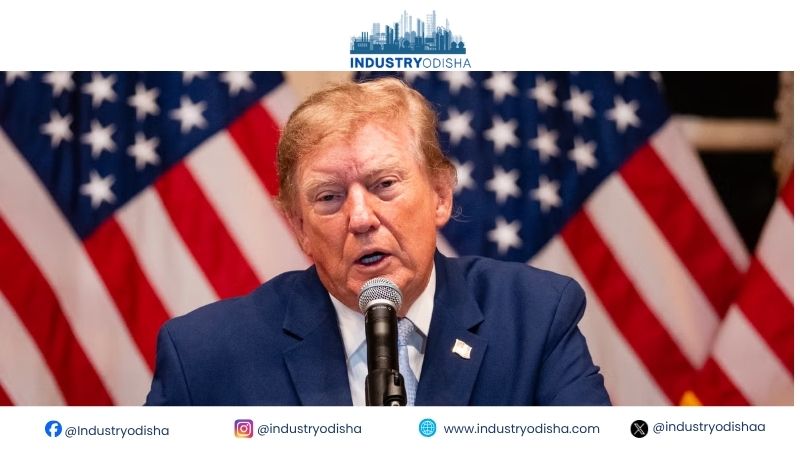
Industry Odisha Bureau, Oct 19: Washington will take up to 60 days to assess the impact on India and global energy prices. The waiver delays tariffs on buyers of Russian oil but keeps the threat alive.
Donald Trump has paused new Russia sanctions under a law he signed last month. An executive order signed on Friday also waived tariffs on major buyers of Russian energy. The order set no end date.
Secretary of State Marco Rubio said Trump would take 60 days to assess the fallout. That includes the impact on India, which could face steep tariffs under the law.
Rubio said the review would weigh effects on the global and US economies. He said several conflicts are already straining global energy prices. He pointed to the Iran war and pressure around the Strait of Hormuz. Houthi attacks on Saudi Arabia have added to the strain, he said. So have strikes on energy infrastructure in the Russia-Ukraine war. Fresh sanctions now could tighten supply further and lift fuel costs beyond Russia.
The law is the Lindsey O. Graham Sanctioning Russia and Iran Act. Trump signed it on 18 September after both chambers of Congress passed it. It allows tariffs of up to 500% on Russian goods entering the US. It also provides for tariffs of up to 100% on countries importing Russian energy. Those tariffs reportedly target the five largest buyers of Russian oil and gas. Other provisions reportedly hit Russian banks and those helping Moscow dodge oil curbs.
India illustrates Washington’s dilemma. Rubio spoke before visits to Uzbekistan and India. Rubio said India has diversified its supplies but still relies heavily on Russian energy. Switching suppliers quickly is difficult, he suggested, yet India remains a key US partner. Refiners typically rely on set contracts, shipping arrangements and suitable crude grades. Tariffs of up to 100% could weigh heavily on Indian exports to the US. They could also strain bilateral trade and strategic ties.
Domestic fuel costs form the other backdrop. On 9 October, Trump announced a deal for Russia to supply diesel to global markets. He put the total above 4.8 million tonnes, though details remain thin. The Treasury has licensed Russian diesel transactions, including US imports, until April 2027. Analysts doubt the deal will move US pump prices much. It comes ahead of US midterm elections on 3 November. Reports have linked the diesel deal to easing prices before the vote.
The waiver drew bipartisan criticism in Washington. Several Republicans have also opposed the diesel deal. Ukraine’s President Volodymyr Zelenskyy said the law could still pressure Russia. Asked if the move gifted Putin, Rubio said Russian diesel would be sold anyway.
The pause delays penalties; it does not repeal them. The law’s powers remain available to the president. That uncertainty may shape how Indian refiners plan crude purchases. Banks and traders exposed to Russia face similar doubts. Washington must balance pressure on Moscow against stable global energy prices. The next 60 days will show which priority prevails.
