



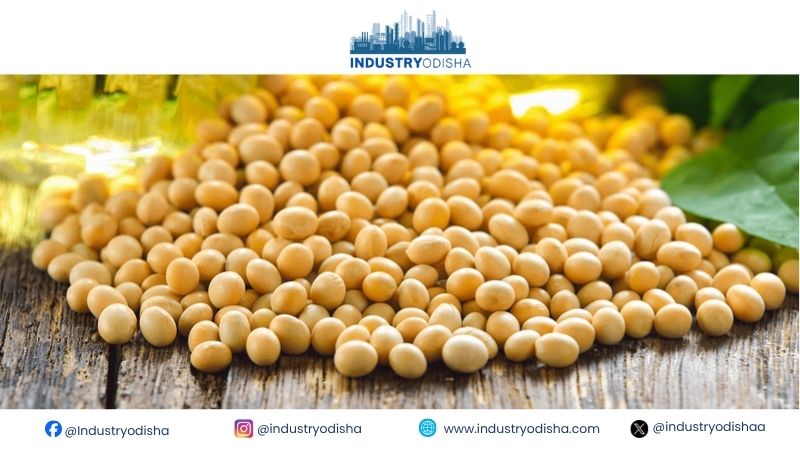
Industry Odisha Bureau, Sep 17: India’s soybean import could reach a record high this current season. The surge reflects tight domestic supply and weaker production. Imports may remain elevated during the next marketing year. Lower acreage and erratic monsoon conditions are weighing on output.
Record High Import Outlook
India imported 9.34 lakh tonnes during October to August. September purchases could push annual imports above 9.5 lakh tonnes. That would be the highest level on record. The previous peak stood near seven lakh tonnes. The current season marks a sharp reversal in import dependence.
Domestic Supply Comes Under Pressure
Domestic supply has weakened because of lower production. SOPA estimates soybean output at 110.26 lakh tonnes. That is about 14% below the previous year. Production had stood at 128.82 lakh tonnes earlier. Lower acreage contributed to the decline. Weather disruptions also hurt crop performance.
Weak Monsoon Raises New Risks
The kharif crop faces fresh pressure from uneven rainfall. Parts of Maharashtra and Karnataka saw rainfall deficits. These states remain important soybean-producing regions. Irregular rains disrupted sowing in several areas. Some farmers also had to replant crops. That could reduce production further.
Acreage Declines
Soybean planting reached around 122.08 lakh hectares this kharif. That is slightly below last year. USDA also reduced its India acreage estimate. Harvested area is projected at 10.5 million hectares. Farmers are increasingly shifting towards cotton and corn. That shift could tighten domestic supply further.
Crushing Volumes Fall
Lower availability is reducing soybean crushing activity. Crushing is estimated at 104.50 lakh tonnes. That compares with 113.50 lakh tonnes last year. Soybean meal production is also expected to decline. Output may fall to 82.46 lakh tonnes. Lower crushing is affecting exports too.
Meal Exports Drop Sharply
Soybean meal exports are projected near 10 lakh tonnes. That is roughly half the previous year’s level. Weak export price parity has reduced competitiveness. Domestic feed demand remains relatively firm. Feed consumption is estimated at 63 lakh tonnes.
Non GMO Imports Gain Importance
India mainly imports non-genetically modified soybean. African suppliers remain important for these purchases. Key origins include Niger, Togo and Nigeria. These countries produce significant non GMO soybean volumes. Preferential tariff arrangements also support imports. However, African processing capacity is rising. That could reduce future export availability.
Prices Stay Above MSP
Tight domestic supply has pushed soybean prices higher. The government raised MSP to ₹5,708 per quintal. Market prices remained significantly above that level. Mandi prices averaged ₹6,500 to 7,300 per quintal. Higher prices are strengthening import economics.
Import Dependence Could Persist
India was once a net soybean exporter. That position changed during 2018-19. Import volumes have since become more volatile. The current season could set a new record high. Weak domestic supply may sustain that trend.
Outlook Depends on Next Crop
India’s soybean market faces multiple pressures. Domestic supply remains tight. Acreage has declined. Monsoon conditions remain uneven. Prices are also elevated. These factors could keep import demand strong. The next harvest will determine whether dependence deepens further.
