



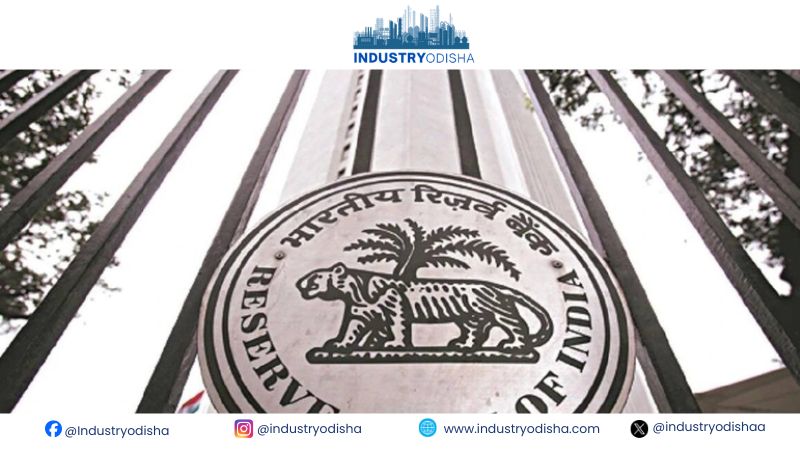
Industry Odisha Bureau, Sep12: RBI Governor Sanjay Malhotra has flagged possible links between BRICS payment systems and digital currencies. The push aims at cheaper, faster settlement, not dedollarisation.*
Cross-border payments remain slow and costly for many BRICS economies. RBI Governor Sanjay Malhotra recently addressed this problem directly. His comments carry weight ahead of BRICS Summit 2026.
BRICS Explores Multiple Payment Routes
Malhotra said cross-border payments interest all BRICS members. He pointed to considerable scope for reducing costs. BRICS members are discussing links between fast-payment systems and CBDCs.
Malhotra highlighted India’s UPI as a useful comparison. International remittances can take hours or days to settle. Various options remain on the table, he said.
No single BRICS-wide payment network exists yet. India has proposed adding CBDC-linking to the summit agenda. The goal is streamlining trade, trade finance and tourism payments.
India Pushes Local-Currency Settlement
Alongside payment-system links, India is promoting rupee internationalisation. Malhotra said the RBI would continue this effort. Local-currency settlement forms a parallel strategy.
India already has bilateral local-currency arrangements with UAE, Indonesia, Maldives and Mauritius. Special Rupee Vostro Accounts support India’s rupee trade-settlement framework. This operates alongside existing convertible-currency channels.
The RBI’s rupee internationalisation group has recommended expanding local-currency use. This applies particularly with major trading partners.
Less Dollar Intermediation, Not Dollar Replacement
If two BRICS nations settle trade directly in their own currencies, dollar conversion may become unnecessary. This differs meaningfully from replacing the dollar itself.
Neither the RBI nor India’s government describes these steps as dedollarisation. India is not proposing to replace the dollar as reserve currency. No agreed BRICS common currency exists.
India has remained cautious about BRICS turning into an anti-dollar bloc. This is smart diversification rather than confrontation with existing arrangements.
Trade Imbalances Complicate the Model
Local-currency settlement carries a structural challenge. A country running persistent trade surpluses accumulates its partner’s currency. Limited opportunities to spend or invest that currency create problems.
Currency swaps could help manage such imbalances. Regular settlement mechanisms may also become necessary. Without these tools, local-currency settlement can prove unsustainable over time.
Technology and Governance Remain Unresolved
CBDC interoperability requires compatible technical standards across countries. Governance arrangements must also be agreed collectively. The BRICS Payment Task Force is examining these interoperability questions.
The objective is payments that are fast, low-cost and transparent. These remain goals rather than achievements at this stage.
Payment Efficiency Comes First
The immediate question is not whether BRICS will challenge the dollar. It is whether members can settle more transactions directly.
That distinction matters for how this story should be read. BRICS is discussing payment infrastructure, not a rival reserve currency. Efficiency, not confrontation, remains the stated objective.
