



India’s aluminium industry is becoming an important part of the country’s manufacturing and infrastructure growth. Aluminium is used across transportation, construction, power transmission, packaging, consumer products, and renewable energy systems. As industries look for materials that combine lower weight, durability, and recyclability, demand for aluminium continues to receive attention.
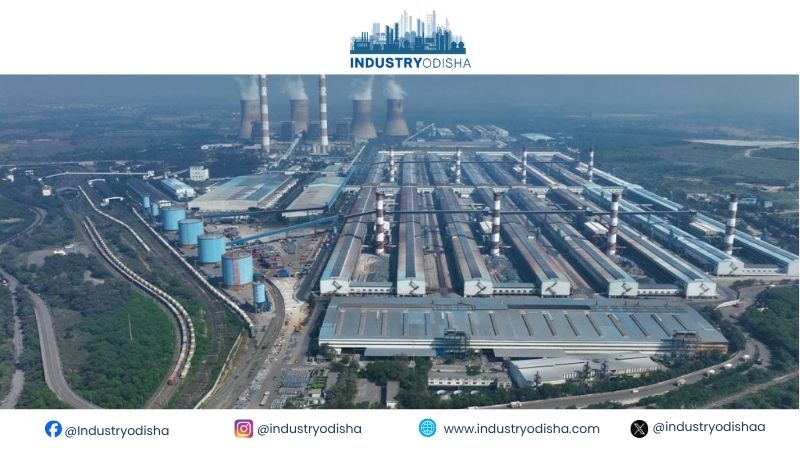
Jharsuguda in Odisha has developed into an important industrial location for aluminium production. The region has access to industrial infrastructure, power resources, transport connections, and a growing ecosystem of supporting businesses. Large-scale operations in the area also contribute to employment, logistics, engineering services, and local economic activity.
The aluminium sector is also changing because manufacturers are focusing more on energy efficiency, technology, environmental management, and value-added products. These developments are creating new opportunities while also bringing practical challenges for industrial companies.
Aluminium Manufacturing Trends Shaping the Industry
Aluminium production is closely connected with several major industries. Changes in infrastructure spending, electric mobility, renewable energy, and manufacturing can influence demand for the metal.
Some important trends include:
- Growing demand from transportation: Aluminium is used in vehicles because its lower weight can help manufacturers improve fuel efficiency and manage vehicle energy consumption.
- Expansion of renewable energy: Solar and wind projects require aluminium for components, frames, electrical applications, and transmission infrastructure.
- Infrastructure development: Construction, railways, power projects, bridges, and industrial facilities use aluminium products in different applications.
- Focus on value-added products: Producers are increasingly looking beyond basic metal production and developing products suited to specific industrial requirements.
- Recycling and circular production: Recycled aluminium generally requires much less energy than primary aluminium production, making recycling an important part of long-term industry planning.
These trends are influencing investment decisions throughout the aluminium value chain. Mining, refining, smelting, fabrication, transportation, engineering, and recycling businesses can all be affected by changes in demand.
Industrial Growth and Technology in Jharsuguda
Jharsuguda has become a significant industrial centre in Odisha, with aluminium and power-related activities playing an important role in its industrial profile. Large manufacturing facilities require continuous improvements in production systems, equipment maintenance, safety practices, logistics, and quality control.
Modern aluminium production depends heavily on technology. Automated monitoring systems, process controls, data analysis, predictive maintenance, and energy-management systems can help industrial facilities monitor operations more effectively.
Technology can support several areas of industrial performance:
- Monitoring equipment and production parameters in real time.
- Identifying maintenance requirements before equipment failure.
- Improving energy management across production processes.
- Tracking raw-material movement and finished-product logistics.
- Supporting workplace safety through monitoring and automated systems.
- Improving consistency in product quality.
Digitalisation is therefore becoming more relevant to heavy industries. Industrial companies are combining physical production infrastructure with software, sensors, data platforms, and automated equipment. This trend is expected to continue as manufacturers look for ways to improve productivity while controlling operational costs.
For an industrial region such as Jharsuguda, technological development can also create demand for skilled technicians, engineers, software professionals, maintenance specialists, logistics providers, and other service businesses.
Sustainability and Efficiency in Aluminium Production
Environmental performance is one of the major issues influencing the global aluminium industry. Primary aluminium production requires significant amounts of energy, which means energy efficiency and the source of electricity are important considerations for producers.
Companies across the sector are working on ways to reduce emissions, improve resource efficiency, and increase the use of renewable energy. Recycling is another important part of this transition because aluminium can be recycled repeatedly without losing its basic properties.
Sustainability efforts in industrial operations can include:
- Improving energy efficiency in production equipment.
- Increasing the use of renewable or lower-carbon electricity.
- Reducing waste and improving material recovery.
- Managing water resources carefully.
- Developing systems for responsible waste handling.
- Increasing the recovery and recycling of aluminium products.
- Using technology to monitor environmental performance.
For Vedanta Jharsuguda, these broader industry developments are relevant because large-scale aluminium operations operate within a sector facing increasing expectations around energy efficiency, environmental management, and responsible resource use.
Sustainability is not limited to environmental reporting. It can also affect operational costs, regulatory requirements, investment decisions, supply-chain relationships, and the long-term competitiveness of industrial facilities.
Future Opportunities for the Aluminium Industry
The outlook for aluminium is closely linked with India’s wider industrial development. Electric vehicles, renewable energy, urban infrastructure, transmission networks, consumer goods, and manufacturing expansion can all create demand for aluminium.
At the same time, the industry needs to manage several practical issues. Energy costs, raw-material availability, logistics, environmental requirements, technological investment, and workforce skills can influence the performance of aluminium producers.
Jharsuguda’s industrial ecosystem can benefit from continued development in related areas. Supporting industries can provide engineering, maintenance, transportation, construction, equipment, digital services, and other solutions required by large manufacturing facilities.
The next phase of industrial development is likely to place greater emphasis on efficient production rather than simply increasing output. Companies that invest in modern equipment, workforce training, digital systems, safety, and resource management can respond more effectively to changing industrial requirements.
Conclusion
India’s aluminium industry is entering a period shaped by infrastructure growth, renewable energy, transportation, digitalisation, and sustainability. Jharsuguda remains an important industrial location within this broader development because of its established manufacturing base and supporting industrial ecosystem.
The future of aluminium production will depend on more than production capacity. Energy efficiency, technology adoption, responsible resource management, recycling, skilled workers, and value-added manufacturing will increasingly influence the sector.
For businesses and professionals following India’s industrial landscape, developments in Odisha’s aluminium sector provide useful insight into how large-scale manufacturing is adapting to changing market and environmental requirements. As demand from emerging industries continues to develop, aluminium is likely to remain an important material for India’s manufacturing and infrastructure ambitions.
