



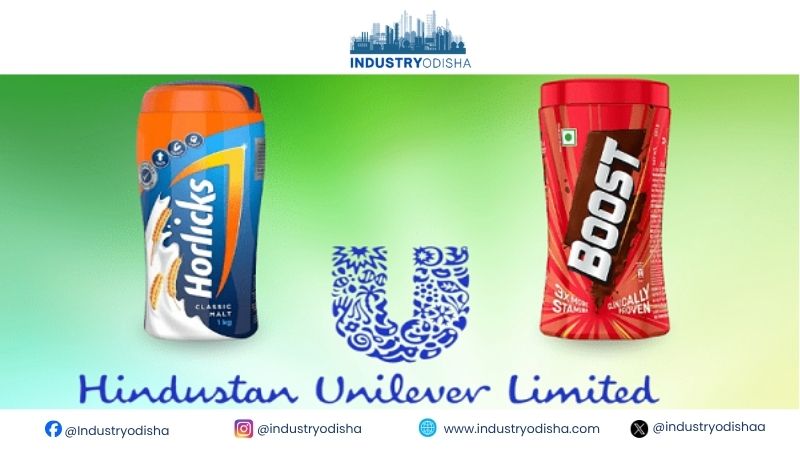
Industry Odisha Bureau, Sep 11: Hindustan Unilever is pushing Horlicks into protein. The brand launched a ready-to-drink shake in trials this June. It has since expanded into protein powders too. Rivals and startups got there first.
Why HUL Thinks It Isn’t Too Late
Rajneet Kohli, who heads HUL’s foods division, is unfazed. “Being late to a party doesn’t mean you’re not there,” he said. He estimates only 3% of Indian households consume protein. That leaves a large, untapped audience, in his view. The company’s bet rests on category creation, not competition.
Beyond the Gym
Protein has traditionally meant gyms and bodybuilders. HUL wants it in everyday diets instead. That means convincing consumers who don’t already buy protein. It’s a harder task than simply winning market share. Kohli called it expanding the category itself.
Horlicks Grows Up
Horlicks has long been tied to children’s nutrition. HUL is now stretching it toward adults. The brand is being repositioned around “lifestyle nutrition.” Protein fits into that wider ambition. Kohli said protein fills a gap in the range.
Pricing for the Masses
HUL is leaning on affordability to drive trial. Protein powder sachets cost around ₹83 a serving. The ready-to-drink version is priced near ₹120. The company uses a fermented yeast-based protein source. Kohli said it balances quality, digestibility and cost.
A Crowded Field
Competition is intensifying fast. Tata Consumer entered plant-based protein via Tata GoFit in 2022. Amul has rolled out protein dahi, kulfi and wheat flour. Marico acquired Cosmix Wellness in February. Startups like Epigamia, Fast&Up and The Whole Truth are also expanding. India’s broader protein supplements market was worth $912.9 million in 2025, according to IMARC Group, and could reach $1.58 billion by 2034.
The Real Test Is Adoption
Kohli named four barriers to protein uptake. These are low perceived need, poor taste, digestibility, and weak brand trust. He argues Horlicks’ long nutrition history helps. Analysts remain cautious. Nomura flagged execution and consumer acceptance as open questions. Trial does not guarantee repeat purchase.
Starting Urban, Expanding Later
HUL will focus first on urban consumers. Many already buy protein products elsewhere. The company plans to track penetration, then frequency. Rural expansion could follow, but isn’t confirmed yet.
Bigger Picture
Horlicks sits within HUL’s foods business, worth ₹14,061 crore in FY26. The brand alone was said to generate over ₹2,000 crore annually. HUL’s broader “winning in new India” strategy leans heavily on market creation. Protein could serve that goal, and category expansion too.
The Bottom Line
HUL has brand trust, distribution and a low price point. What it doesn’t have yet is proof consumers will change habits. Turning trial into routine consumption remains the real challenge ahead.
