



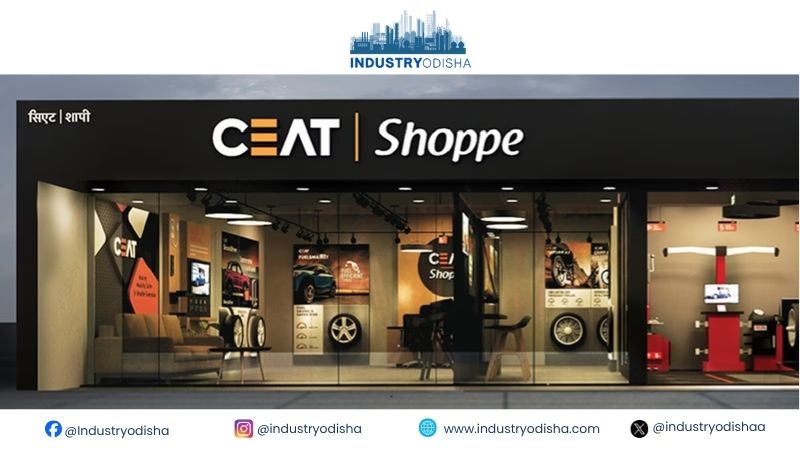
Industry Odisha Bureau, Sep 11: Ceat Ltd is reshaping its global strategy. The tyre maker acquired Camso from Michelin in 2024. The $225 million deal was Ceat’s largest ever. It now wants two brands, not one.
Camso Widens Ceat’s Portfolio
Ceat has long focused on on-road tyres. These serve trucks, cars, bikes and scooters. Camso brings something different. It makes off-highway tyres, tracks and wheels. Its markets include construction, agriculture and material handling. Together, the two portfolios complement each other.
Cross-Selling Is the Real Prize
Ceat and Camso serve overlapping customers. Some buyers need both agricultural and construction products. Others use tyres alongside tracks. Ceat wants to sell across both catalogues. Chief executive Arnab Banerjee called this the “biggest synergy.” Global machinery makers like CNH and Kubota could benefit. No new contracts have been confirmed yet.
Building Global Distribution
Camso customers expect fast, local service. Ceat is investing in warehouses across North America and Europe. It is also building regional leadership teams. These moves prepare for full customer migration. The transition follows a three-year licensing period after the deal.
Two Brands, Two Positions
Management wants Ceat known for value. Camso, meanwhile, will stay premium. Banerjee described it as a “consolidated dual-brand play.” The US is central to this approach. Camso already holds premium standing there. Ceat’s on-road presence is still developing.
Integration Comes at a Cost
The strategy is not without pain. Ceat’s June-quarter profit fell 96%, to about ₹4 crore. Commodity costs and network investments both contributed. Its shares have dropped 13% this year. That compares with a 3.5% fall in the Nifty Auto index. Camso’s Sri Lankan plants offer some relief. They diversify manufacturing beyond India and ease tariff exposure.
Migration Still Unfinished
Analysts at Emkay say migration was 60% complete by the first quarter. They expect 90% completion by September. Startup costs will likely weigh on FY27 profits. Benefits, they say, should emerge from FY28 onward. Emkay projects revenue growth near 14% annually through FY29. It expects profit growth closer to 17%. These remain analyst estimates, not company guidance.
Wider Industry Shift
Ceat is not alone in seeking new growth. Balkrishna Industries is entering on-road tyres. JK Tyre is scouting acquisitions of its own. Indian tyre makers grew 9-18% in FY26, aided by GST cuts. Balkrishna grew more modestly, at 3.6%, given its export focus.
The Bigger Question
Camso has given Ceat new products, customers and geography. Turning that into steady profit is the harder task. Success will depend on disciplined integration, not just ambition.
