



Industry Odisha Bureau, Aug 19: Foreign carmakers are adopting a contrasting strategy to revive India’s increasingly beleaguered sedan segment. Over the past six months, Hyundai, Honda and Skoda have unveiled refreshed sedans. The move contrasts sharply with homegrown automakers focusing almost exclusively on sport utility vehicles and related segments.
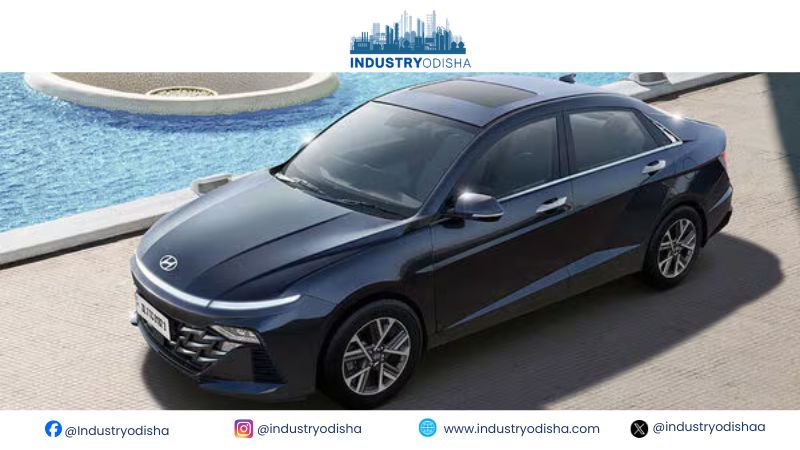
Skoda updated the Slavia sedan and plans a premium Superb re-entry into the Indian market. Hyundai upgraded the Verna specifically to help reignite interest in the sedan category. Honda launched an upgraded City model to revive sales and improve overall segment volumes.
Ashish Gupta, brand director at Skoda India, said the company continues believing firmly in sedans. He emphasized that Skoda maintains one of the largest sedan portfolios among major carmakers globally. The brand sees sedans as occupying a unique market space despite the broader shift.
The numbers reveal just how difficult that revival challenge remains for sedan manufacturers today. Sedans accounted for just under a tenth of India’s 4.7 million passenger vehicles in FY26. In FY19, sedans commanded nearly one-fifth of the entire passenger vehicle market share. SUVs surged from approximately one-fourth of the market to more than half.
Sales performance of refreshed models highlights the structural headwinds facing the sedan segment entirely. Honda’s Amaze grew just 0.6 percent to reach 32,905 units during the period. The City declined sharply, falling thirty-four percent to just 7,197 units in FY26. Hyundai Verna sales fell thirty-six percent to 9,925 units over the same period. Skoda’s combined Octavia and Slavia sales fell seven percent to 14,478 units.
Meanwhile, Maruti Suzuki’s Dzire sedan emerged as the highest-selling car overall in FY26. The success reflected demand from both individual passengers and commercial cab operators alike. This suggests that meaningful customer bases continue to exist despite prevailing market structure. Tata Motors and Mahindra have effectively ceded the sedan segment to foreign competitors. Mahindra focuses exclusively on SUVs across its entire passenger vehicle portfolio strategy.
Experts believe that meaningful product action could help reverse sedan demand decline patterns. Subhabrata Sengupta, partner at Avalon Consulting, said exciting products generate consumer excitement and interest. The sedan segment had lacked exciting new launches while SUV options proliferated dramatically.
The reduced competitive intensity in sedans creates tactical opportunity for remaining manufacturers today. Puneet Gupta of Mobility Global noted that several leading carmakers have exited sedans. This creates relatively open competitive space for brands maintaining strong sedan portfolios strategically. The near-term opportunity exists before more automakers potentially strengthen their sedan commitments further.
However, structural headwinds could constrain sedan growth despite near-term tactical opportunities available currently. The global shift toward SUVs is partly driven by electrification technology and development. Sedans are generally less suited to electric vehicle packaging than SUV configurations. Consumer preferences are increasingly tilted toward larger vehicles like SUVs and sport vehicles. These factors could structurally limit sedan growth even as refreshed products enter the marketplace.
Despite these challenges, India’s massive automobile market can likely support multiple vehicle body styles. Customers continue valuing sedan practicality, efficiency and distinctive driving dynamics compared to alternatives. Whether foreign carmakers can leverage refreshed products into meaningful growth remains the central question.
