


Aluminium has become an important material for modern industries. It is used in automobiles, electrical equipment, construction, packaging, renewable energy systems, consumer products and transportation. As these sectors expand, the demand for alumina and aluminium production capacity is also changing.
Odisha has an important position in India’s aluminium value chain because of its mineral resources, industrial infrastructure and established manufacturing base. Lanjigarh in Kalahandi district is one of the locations associated with this industry. The alumina refinery in the region forms an important link between bauxite processing and aluminium production.
For businesses, professionals and industry observers, developments around Vedanta Lanjigarh provide useful insight into the changing structure of Odisha’s aluminium sector and the wider opportunities connected with industrial growth.
Alumina Refining as a Key Part of the Aluminium Value Chain
Alumina is produced by processing bauxite and is then used as the primary feedstock for aluminium smelting. This makes alumina refining an essential stage between mining and aluminium manufacturing.
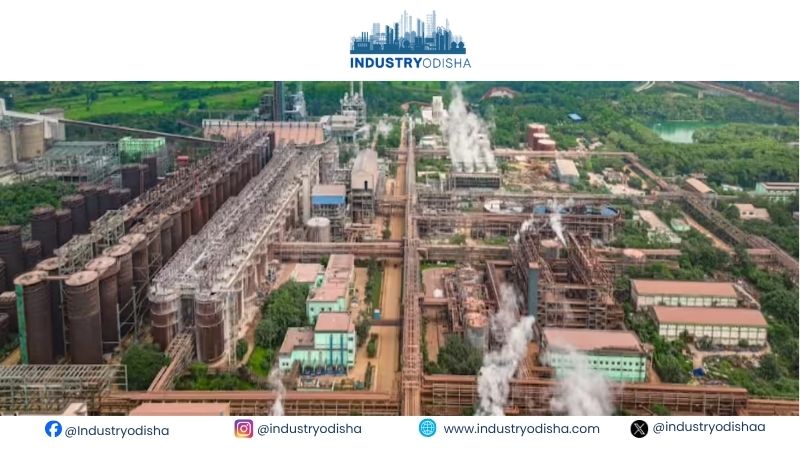
The Lanjigarh refinery started operations in 2007. Vedanta Aluminium currently lists the refinery among its major operating facilities and reports a refining capacity of 5 million tonnes per annum. The facility is supported by associated power infrastructure to help meet the requirements of continuous industrial operations.
The expansion of refining capacity has taken place in phases. In 2024, the company announced that an additional 1.5 million tonnes per annum of refining capacity had been commissioned, increasing the refinery’s capacity from 2 MTPA to 3.5 MTPA at that stage. Subsequent development has taken the stated capacity to 5 MTPA.
This capacity is significant for several reasons:
- Alumina is an essential input for primary aluminium production.
- Higher refining capacity can support an integrated aluminium supply chain.
- Large-scale operations require supporting logistics and industrial services.
- Refinery expansion can create demand for technical and maintenance services.
- Industrial capacity can contribute to opportunities for local suppliers and businesses.
A stable supply of alumina is particularly relevant for aluminium smelters because smelting operations depend on consistent access to raw material.
Industrial Infrastructure and Local Business Opportunities
Large industrial facilities do not operate independently. They depend on a network of businesses and infrastructure providers. This includes transportation companies, engineering contractors, equipment suppliers, maintenance agencies, construction firms and other service providers.
The development of the Lanjigarh refinery has therefore created an industrial ecosystem involving several supporting activities.
Transportation is particularly important because raw materials and finished or intermediate products have to move between different locations. Roads, rail connectivity, material handling systems and other logistics infrastructure can influence the efficiency of large manufacturing operations.
Industrial projects can also increase demand for skilled professionals. Engineers, electricians, mechanical technicians, plant operators, safety professionals, logistics specialists and administrative employees are among the roles associated with large manufacturing facilities.
Local businesses may find opportunities through:
- Industrial equipment supply and maintenance
- Transportation and logistics services
- Construction and infrastructure support
- Technical and engineering services
- Food and accommodation services
- Workforce training and skill development
- Industrial safety and facility management
This wider ecosystem matters because the economic impact of an industrial facility is not limited to the production taking place inside the plant.
Community development is another area connected with major industrial operations. Companies operating in industrial regions often undertake programmes involving healthcare, education, skill development, sanitation and community infrastructure. Such initiatives can influence the quality of services available to surrounding communities.
Aluminium Demand, Technology and Future Industrial Expansion
The aluminium industry is closely connected with several sectors that are undergoing structural changes. Electric vehicles, renewable energy, power transmission, construction and lightweight transportation are examples of industries where aluminium has applications.
Aluminium offers properties such as relatively low weight, electrical conductivity and recyclability. These characteristics make it useful in applications where material efficiency and energy use are important considerations.
For the aluminium industry, this creates a need to improve production efficiency while maintaining reliable raw material supplies. Refining and smelting capacity therefore remain important areas of industrial investment.
Technology also plays a role in modern refinery operations. Process automation, energy management, equipment monitoring, waste management and production controls can help industrial facilities manage large-scale operations.
Some areas receiving attention across the sector include:
- Process efficiency: Improving production processes can help manage energy and material requirements.
- Automation: Digital systems can assist with monitoring and operational control.
- Energy management: Refining and smelting require substantial energy, making efficient power use important.
- Environmental management: Industrial facilities need systems for emissions, waste, water and resource management.
- Skill development: Modern industrial plants require employees familiar with digital and technical systems.
- Downstream manufacturing: More aluminium-based products can support value addition beyond primary metal production.
The future of Odisha’s aluminium industry will depend on a combination of raw material availability, infrastructure, technology, energy, environmental management and market demand.
Odisha’s Growing Role in the Aluminium Industry
Odisha already has a significant presence in India’s mineral and metals sector. Its bauxite resources, industrial infrastructure and established aluminium facilities provide a foundation for further development.
Recent investment announcements also indicate continued interest in expanding the aluminium value chain in the state. In March 2026, Vedanta Aluminium announced plans involving substantial investment across Odisha, including projects covering alumina refining, aluminium smelting, power generation and downstream manufacturing.
A more integrated industrial ecosystem can create connections between different stages of production. Instead of focusing only on mining or primary metal production, companies can develop facilities for refining, smelting and downstream products within a connected value chain.
For Odisha, this can have several implications:
- Increased demand for industrial infrastructure
- More opportunities for ancillary industries
- Greater demand for technical and vocational skills
- Development of logistics and transportation services
- Potential growth in downstream aluminium manufacturing
- Increased need for environmental and resource-management solutions
For local entrepreneurs and service providers, understanding these developments can help identify areas where industrial demand may create new business opportunities.
The industry’s growth also needs to be considered alongside environmental and community responsibilities. Responsible resource use, water management, rehabilitation practices, worker safety and transparent engagement with local communities remain important considerations for large industrial projects.
Conclusion
The development of the Lanjigarh alumina refinery reflects the broader growth of Odisha’s aluminium industry. Its role in supplying alumina connects the region with aluminium production facilities and downstream industrial activities.
Vedanta Lanjigarh is therefore relevant not only from a production perspective but also in the context of industrial infrastructure, employment, logistics, technical services and local business development.
As aluminium demand evolves across electric mobility, renewable energy, construction and electrical infrastructure, Odisha’s position in the aluminium value chain is likely to remain an important area of industrial attention. Continued investment, technology adoption, responsible resource management and development of downstream industries will be important for creating sustainable long-term value from the state’s aluminium ecosystem.
