



Industry Odisha Bureau, Oct 28: Cyclone Arnab, a very severe cyclonic storm, has made landfall in Andhra Pradesh. The system crossed the coast between 2 am and 8 am IST. Its centre hit land southwest of Yanam, at 16.45°N latitude and 81.90°E longitude.
The eye passed over the coastal belt about 20 km east-northeast of Narsapur. It lay roughly 40 km southwest of Yanam and 60 km southwest of Kakinada. Sustained winds of 125 to 135 kmph accompanied the crossing. Gusts touched 150 kmph at their peak.
The storm’s core has now moved fully inland, ending the landfall phase. Arnab is steadily losing strength as it encounters land terrain.
Central and north coastal Andhra Pradesh bore the brunt of the fury. East Godavari, West Godavari, Kakinada and Konaseema districts were among the worst hit. Machilipatnam and Visakhapatnam also faced severe impact. Torrential rain and fierce winds felled trees and toppled electricity poles. Telecom cables snapped across both towns and villages.
A storm surge of 1 to 1.5 metres flooded low-lying coastal villages. Vast stretches of farmland were also submerged. Kakinada and other urban centres reported heavy waterlogging.
Air travel took a major hit across the state. Flights were suspended at Visakhapatnam, Vijayawada and Rajahmundry airports. District officials and disaster response teams are clearing arterial roads. Restoration of power supply is under way on a priority basis.
Though Arnab struck Andhra Pradesh, its wide outer rain bands lashed Odisha. Southern and coastal districts of the state felt significant secondary impact. Malkangiri, Koraput, Ganjam and Gajapati recorded winds of nearly 60 kmph. These districts also witnessed spells of intense, torrential rainfall.
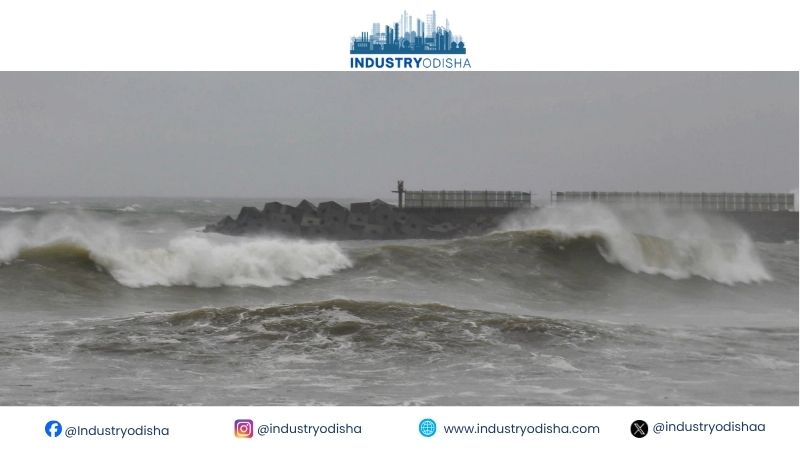
High tides and choppy seas pounded the coast at Puri and Gopalpur. Authorities issued stern warnings to fishermen and coastal residents.
The Odisha government had put safety measures in place well in advance. National and state disaster response forces were deployed in vulnerable areas. Emergency shelters were set up for people at risk. Schools and colleges in vulnerable southern districts were closed as a precaution.
