



Industry Odisha Bureau, Sep 14: Indian refiners are using inventories to manage the Saudi East-West pipeline shutdown. The route supplied about 9% of India’s crude imports since the conflict began. Global oil inventories are shrinking too.
Indian refiners expect inventories to bridge the immediate disruption. Saudi Arabia’s East-West oil pipeline remains shut. Refiners worry a prolonged closure could complicate crude sourcing. A widening Middle East conflict adds further uncertainty.
Saudi Pipeline Disruption Tests Indian Refiners
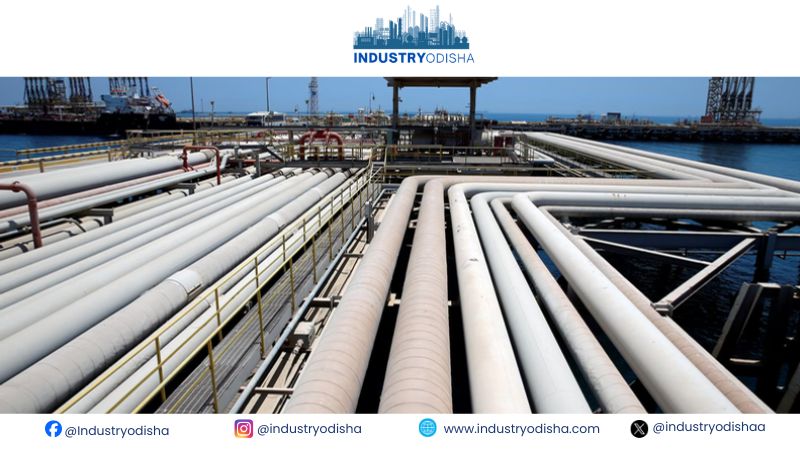
The pipeline carries Saudi crude towards the Red Sea port of Yanbu. That route gained importance amid difficulties around the Strait of Hormuz. India has received about 9% of its crude imports through this route. That share applies since the conflict began. Inventories currently provide the main buffer against disruption.
Replacement Crude Becomes Harder to Source
A prolonged shutdown could push refiners towards replacement volumes. Barrels are not perfectly interchangeable, though. Refiners also need crude grades matching their yield requirements. Indian demand leans heavily towards middle distillates. Kpler’s Nikhil Dubey said further Saudi disruption would strain an already tight market. He said buyers could compete for a shrinking pool of alternative crude. That could push refiners towards costlier options, including higher freight.
Global Oil Inventories Lose 507 Million Barrels
The International Energy Agency says inventories have played a balancing role. However, global observed inventories have fallen sharply since the conflict began. The IEA reported a decline of 507 million barrels. That equals an average draw near 2.8 million barrels daily. Fewer barrels are now available on the water, Dubey said. Shrinking buffers leave less room to absorb fresh shocks.
Global Crude Output Falls
Global crude output fell by 1.6 million barrels daily month-on-month. Output stood near 100 million barrels daily in August. Saudi Arabia cut production by roughly one-quarter over the same period. Saudi output reached about 6 million barrels daily. Attacks on Russian ports have also disrupted crude exports.
Red Sea and Hormuz Add Shipping Pressure
Iran-aligned Houthis have targeted Saudi oil shipments through the Red Sea. This compounds existing obstruction around the Strait of Hormuz. The overlapping pressures reduce flexibility across Saudi export routes. Refinery executives are still assessing damage to the pipeline. The report attributes the alleged strike to Iraqi militia drones.
Oil Prices Reflect a Tighter Physical Market
Oil prices were reported near $105 per barrel. That marks a rise of roughly 20% over one month. An industry executive said the situation looks grimmer than early in the conflict. Visibility on how it unfolds has narrowed since then.
For Indian refiners, the immediate challenge remains manageable. Inventories offer a temporary cushion against the pipeline outage. But shrinking global stocks, falling output and overlapping shipping risks are narrowing the margin for error. How long the disruption lasts will determine whether sourcing pressure eases or deepens.
