



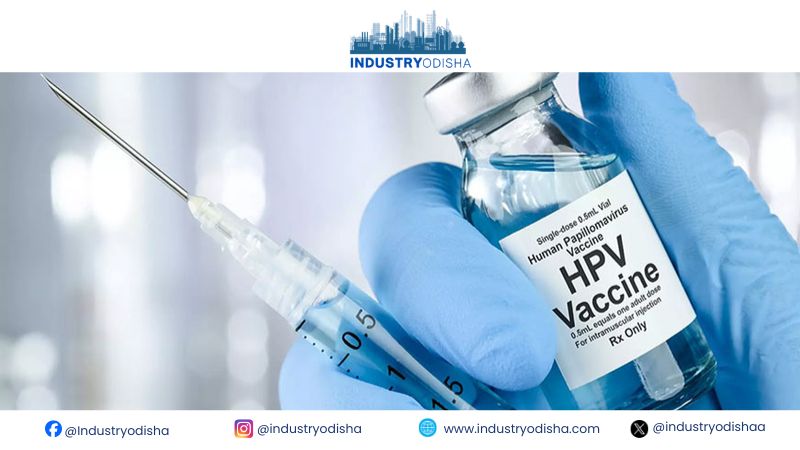
Industry Odisha Bureau, Sep 07: India’s HPV vaccination drive now faces a legal challenge. A petition is before the Supreme Court this week. It questions how informed consent has been handled. Transparency and accountability concerns also feature prominently. The school-based vaccination component is the petition’s focus.
The Universal Health Organisation filed this public interest litigation. It argues consent procedures for minors fell short legally. Bodily autonomy is central to that argument too. The petitioner wants school vaccinations paused temporarily. That pause would last until proper consent protocols exist.
Context matters here. India launched a free HPV vaccination programme in February. It targets 15-year-old girls nationwide. The stated goal is reducing cervical cancer deaths. That cancer remains a major health burden for Indian women. None of this background is disputed by the petition itself.
What the petition disputes is implementation, not intent. It cites Articles 14 and 21 of the Constitution. Those provisions protect equality and personal liberty broadly. The petitioner argues parents and minors were denied adequate safeguards. Risk disclosure and alternative options, it claims, were insufficient.
Two decade-old precedents anchor part of the argument. The 2013 Parliamentary Standing Committee’s 72nd Report is invoked. That report examined an earlier PATH-run HPV demonstration project. The petitioner argues similar consent lapses must not repeat now. Importantly, that older project differs from today’s nationwide rollout.
Several specific remedies are being sought. First, an independent expert committee is proposed. It would review epidemiological data and vaccine-safety evidence. It would also assess current consent practices and alternatives available.
Second, the petition wants a public AEFI dashboard created. AEFI refers to adverse events following immunisation. Real-time public reporting, it argues, would improve transparency significantly.
Third, a national vaccine injury compensation scheme is demanded. The petitioner says no such framework currently governs HPV vaccination. A broader consent framework for minors is also sought.
None of these allegations have been adjudicated yet. The Supreme Court has not ruled on any claim. Whether the programme actually breached constitutional rights remains undetermined. The petition’s claims about safety gaps also remain unproven allegations.
The Universal Health Organisation frames its case around public trust. It argues that transparency strengthens, rather than weakens, immunisation programmes. Accountability and informed choice, it says, build public confidence over time.
That framing points to the case’s larger stakes. This dispute isn’t simply about one vaccination programme. It concerns how India structures consent for minors generally. Public-health goals and individual rights need not conflict inherently. How courts and policymakers reconcile them here could matter well beyond HPV vaccination alone.
